
Are you listening?
Because your audience is talking about you every… single… day.
Whether they know it or not, they’re telling you why they abandoned their shopping cart. Why they chose your competitor. Why they love your newest feature but hated the one before it. What keeps them loyal. And why they may never buy from you again…
Actually listening to all of that, then compiling it into something actionable is the essence of consumer intelligence. It brings together cultural insights, consumer behavior analysis, and market intelligence, all to reveal the true motivations behind every complaint, click, and conversation.
But there’s one important caveat…
Everyone has enough data. Most businesses have more than they know what to do with. So, the challenge really becomes detective work. Separating the meaningful clues people have left behind from all of the distractions. Then turning those clues into decisions that actually move the business forward.
Understanding how to do this effectively can turn your brand strategy into a blueprint for smarter decisions. Fail to do so, and your competitors will capitalize on opportunities you never saw coming.
So, we’ll ask again… Are you listening? Like, really listening?
What Is Consumer Intelligence?
Consumer intelligence is the process of collecting, connecting, and analyzing customer data from multiple sources to generate actionable consumer insights. Rather than relying on assumptions or traditional market research alone, it helps businesses understand audience motivations, identify emerging trends, improve personalization, generate authentic consumer empathy, and make smarter decisions across marketing, sales, customer service, and even product development.
Think about what your customers leave behind every day:
- Products they browse but never purchase.
- Pages they exit after a few seconds.
- Reviews they post.
- Questions they ask customer support.
- Social media conversations.
- Loyalty program activity.
- Purchase history.
Individually, none of these tell the full story. They’re fragments.
But together, they reveal patterns.
Many reports simply tell you what happened, consumer intelligence explains why and the how.
Why Consumer Intelligence Really Does Matter
Understanding your audience has always mattered. What’s changed is how difficult it’s become. People no longer interact with brands in one place. They discover products on social media, compare prices online, read reviews, visit websites, speak to customer support, watch videos, and make purchases across multiple devices.
Every interaction leaves behind another piece of the puzzle.
For businesses, that creates both an opportunity and a problem. There’s more information available, but it’s scattered across platforms and touchpoints. Looking at one dataset in isolation is the death of brand progress.
This is why consumer intelligence has become so valuable. And precisely why consumer intelligence platforms and brand consultant services like The Sound are a competitive advantage.
By continuously bringing together consumer engagement, market intelligence, and consumer insights from across the customer journey, businesses develop a holistic understanding of their audience that evolves alongside changing behaviors instead of relying on occasional snapshots from surveys or focus groups.
The result is a clearer understanding of what people value, what’s influencing their decisions, and where opportunities or risks are beginning to emerge.
An Example Of Consumer Intelligence In Action
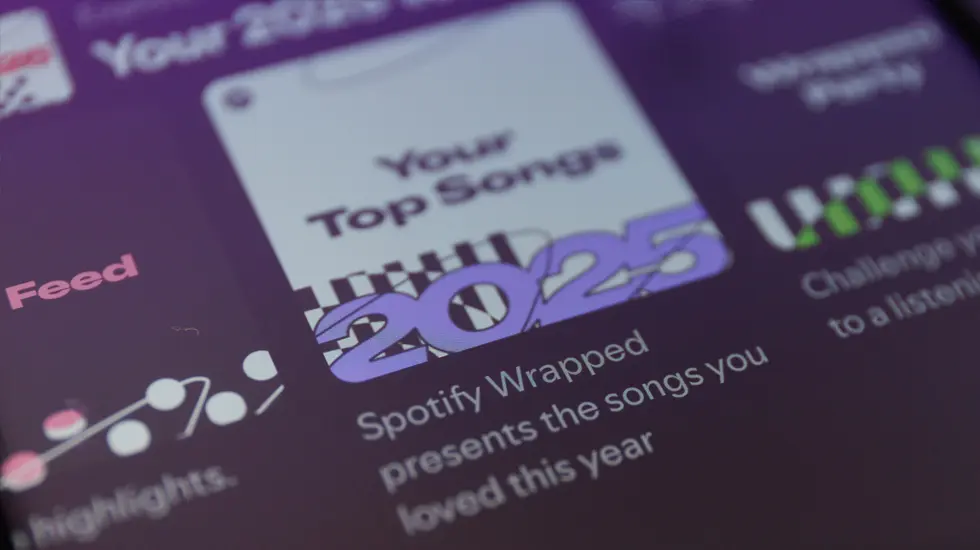
Every December, millions of people share their Spotify Wrapped results across social media.
What most users don’t see is the consumer intelligence behind it.
Throughout the year, Spotify analyzes billions of listening signals, including the songs people replay, the artists they discover, the playlists they save, and, of course, the tracks they skip. Rather than seeing this as standalone data, Spotify finds the patterns and assembles consumer intelligence that it then uses to build a relationship with their audience.
The result isn’t just a super viral marketing campaign each December. It’s a product built around consumer behavior. By turning everyday listening habits into meaningful consumer insights, Spotify strengthens engagement while continuously improving the experience for listeners. Not a bad return for paying attention.
And for every business, the lesson is the same.
Inside The Key Components Of Consumer Intelligence
Consumer intelligence platforms and marketing consultants understand that success really isn’t about finding one piece of data.
It’s about becoming a better detective. Factoring in market intelligence with a plethora of consumer insights to help your business make smarter choices instead of just educated guesses. These are some of the tools a formidable sleuth uses to uncover the true narratives behind a customer’s journey.
Consumer Behavior Analysis
If you’ve ever watched someone spend twenty minutes reading restaurant reviews before ordering Uber Eats, you’ll know one thing: customers are wonderfully irrational.
That’s why consumer behavior analysis looks beyond what people say they do and focuses on what they actually do. By examining browsing habits, purchases, and countless other interactions, businesses can uncover patterns that explain why people buy, take off, or come back for more. Those patterns become the foundation for stronger products and marketing choices.
Customer Segmentation + Illumination
Not every customer wants the same thing… Some actually go to the restaurant with the bad reviews just to see if everyone else was wrong.
That’s why effective customer segmentation goes beyond basic demographics.
Instead, customer segmentation groups a brand’s audience according to shared behaviors, interests, motivations, purchasing habits, and even values. These segments allow businesses to deliver more relevant messaging and personalize customer experiences.
Sentiment Analysis
Sentiment analysis goes beyond counting likes, comments, and ratings to understand the emotion behind them. Using AI and natural language processing, a brand can analyze reviews and conversations to determine whether people are excited, frustrated, disappointed, or all of the above.
It’s often the quickest way to spot a brewing reputation problem before it becomes tomorrow’s headline.
Market Trend Identification
People are surprisingly easy to influence if you know how. One viral video, a new competitor, rising grocery prices, or Kylie Jenner spotted carrying the planet’s ugliest purse, and suddenly everyone wants one.
This is where market intelligence earns its keep. By tracking competitor activity, emerging consumer trends, cultural shifts, wider industry changes, and economic conditions, brands can spot patterns long before they’re obvious.
Instead of reacting after audience expectations have already changed, they can adjust products, campaigns, and strategy while everyone else is still wondering what the hell just happened.

The Sources That Build Consumer Intelligence
A brand’s audience leaves clues everywhere. Not always intentionally. But they can’t help themselves. Meaning, there’s endless information at hand…
AI is already replacing hours of manual analysis with minutes of pattern recognition. Tomorrow’s competitive advantage will not be collecting more consumer insights. It’ll be spotting shifts before everyone else even realizes they’ve happened. That’s why consumer intelligence and effective consumer behavior analysis shouldn’t come from just one place, or be all about numbers.
The strongest insights come from bringing together data from across the customer journey, both qualitative and quantitative research, combining what people say, what they do, and sometimes even what they don’t realize they’re revealing.
Social Media Monitoring
Social media is the world’s largest and loudest unsolicited focus group.
- Spot emerging trends.
- Understand how people talk about your brand.
- Track competitor conversations alongside your own.
- Detect reputation issues.
Website Analytics
Your website remembers everything, even if your customers don’t.
- Discover drop off points.
- Identify high-converting content.
- Uncover friction points.
- Measure which campaigns actually landed.
Purchase Data
People vote with their wallets.
- Reveal genuine buying patterns.
- Find those loyal customers.
- Predict what people are likely to buy next.
- Separate curiosity from genuine demand.
Customer Surveys
Sometimes the simplest solution is just asking the right questions.
- Validate what your data is already suggesting.
- Discover unmet needs.
- Track customer satisfaction over time.
- Quantify trends across large groups of people.
Focus Groups
Put the right people in the same room and valuable insights emerge.
- Explore how opinions are formed through discussion.
- Test reactions to products and messaging.
- Identify shared frustrations and unmet needs.
- Uncover perceptions that quantitative data can’t explain.
In-Depth Interviews (IDIs)
Unlike surveys, IDIs give researchers the freedom to ask follow-ups, explore unexpected tangents, and uncover real motivations.
- Understand people’s choices.
- Explore emotions and personal experiences.
- Dig deeper into complex purchasing journeys.
- Reveal insights structured surveys miss out on.
In-Home Ethnographies
By observing people in their natural environment, researchers can see how products fit into everyday routines, find workarounds, and uncover needs that people never think to mention.
- Observe products being used in real-world settings.
- Discover hidden pain points.
- Understand behaviors in context, not in isolation.
- Watch unmet needs reveal themselves.

The loudest voice in your business should be your customer, and they’ve been talking this entire time.
Like a master detective, consumer intelligence can be used to decipher what people have said, intentionally or not, compile it, and uncover opportunities to help brands reach their desired outcomes.
Curious about how consumer intelligence can impact your brand? Let’s talk.
Okay, It’s FAQ Time
What are the primary sources of consumer intelligence? Website analytics, social media, customer surveys, CRM systems, purchase history, and market intelligence.
How can businesses use consumer intelligence for marketing? To build empathy for an audience, inform campaigns, improve targeting, uncover trends, and spend less money reaching the wrong people.
How does customer segmentation support consumer intelligence? It groups customers by behaviors, interests, motivations, purchasing habits, and even values so every message doesn’t sound like it was written for everybody.
What’s the difference between consumer intelligence and consumer insights? Consumer intelligence is the process. Consumer insights are the output.